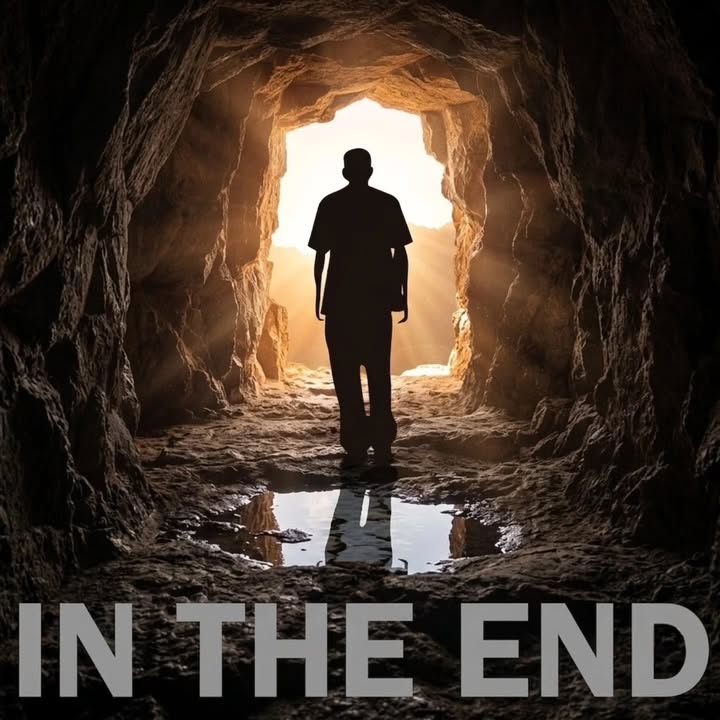
Author Alan Lechusza Aquallo invites us into a fascinating deconstruction of this Nu-Metal anthem, going far beyond the typical generational angst.
Here are the key takeaways from his analysis:
🏙️ A Dystopian Reflection: The constant contrast between Mike Shinoda’s fast phrasing and Chester Bennington’s heavy vocals creates an “emotional refuge.” This space captures and validates the listener’s frustration with a contemporary society that feels oppressive, unfair, and inescapable.
👀 Spiritual Burdens: The song’s dense atmosphere reflects a deep internal struggle. The author connects it to theological concepts, interpreting that heaviness as a reflection of the “desires of the flesh, desires of the eyes, and pride of life.”
🗣️ The Weight of the First Person: By singing verses like “I tried so hard…” or “I had to fall…”, the listener directly takes on the protagonist role. The song doesn’t speak to you; it speaks for you, internalizing feelings of defeat and victimization.
✨ Hope in the Fall: Although the iconic chorus ends with a pessimistic “in the end, it doesn’t even matter,” the article rescues a glimmer of light in the phrase “I had to fall.” From a faith-based view, hitting rock bottom is exactly the breaking point needed to learn to trust in a Savior, let go of control, and find true redemption.
In conclusion, the analysis manages to “flip the script” on a seemingly nihilistic song, using it as an unexpected bridge to reflect on faith and human vulnerability.
✍️ Credits: Based on the critical analysis by Alan Lechusza Aquallo for The Sweatpant Sessions blog on Patheos.